About Pneumatic & Motorised Flow Control Gate
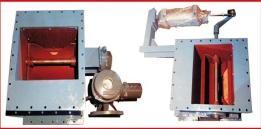
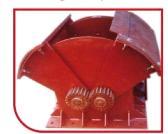
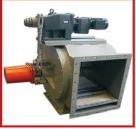
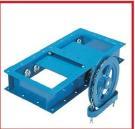
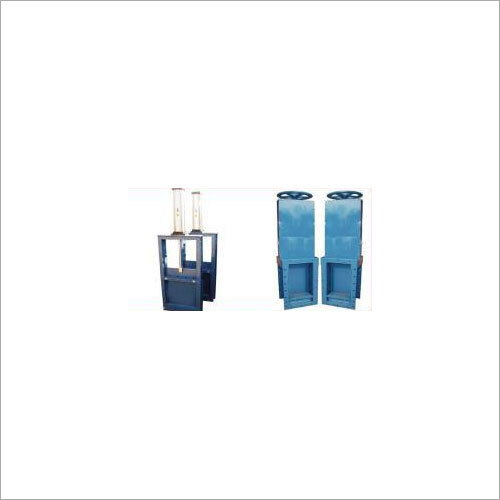
Being the topmost manufacturer in this industry, we are engaged in exporting the best range of Pneumatic & Motorised Flow Control Gate. The function of guillotine gate is to control the flow of material from one equipment to other as and when desired. Our range of guillotine dampers for fast and precise positioning to ensure acute control over the flow of bulk material. We are offering this Pneumatic & Motorised Flow Control Gate to clients in a wide range of dimensions and capacities to fulfill their diverse needs.
Features:
- Easy to install and operate
- Rugged design
- Durable quality
Engineered for Precision and DurabilityOur flow control gates integrate high-precision mechanisms and robust fabrication techniques for consistent accuracy in flow management. Industrial-grade components, advanced sealing materials, and corrosion-resistant finishes guarantee longevity even in demanding operating conditions, including temperatures from -20C to +85C.
Versatile Installation and OperationWhether flange, wall, or channel mounted, these gates are designed to fit a variety of industrial applications. Both pneumatic and motorised actuation are supported, allowing seamless remote or manual control. Each gate can be fully customized in size, shape, material, and mounting style to match process requirements.
FAQs of Pneumatic & Motorised Flow Control Gate:
Q: How do I operate the Pneumatic & Motorised Flow Control Gate remotely and manually?
A: The gate supports both remote and manual operation. Remote control is enabled via integrated electric motors or double-acting pneumatic cylinders, which can be activated using control panels or automation systems. Manual operation is possible through locally mounted switches or hand-held devices, offering flexibility for various application scenarios.
Q: What sealing materials are used to ensure leak-proof performance?
A: We use high-quality neoprene or EPDM rubber for the sealing system, both selected for their excellent resistance to abrasion, chemicals, and temperature extremes. These materials are expertly fitted to provide consistent leak-proof protection under operating pressures up to 7 bar.
Q: When should I choose a pneumatic versus a motorised drive arrangement?
A: Choose pneumatic actuation for rapid operation and where compressed air supply is readily available. Motorised actuation is preferable for applications needing precise control, higher torque, or where only electric sources are present. Our team can help assess your process needs and recommend the ideal drive type.
Q: Where can these flow control gates be installed in industrial facilities?
A: They are suitable for installation at process inlets/outlets, storage silos, material transfer lines, or anywhere linear or proportional regulation of solids and granules is required. Options include flange mounting, wall fitting, or channel mounting, accommodating most infrastructure configurations.
Q: What is the process for customizing the gates size and material?
A: Customization begins by specifying your dimensional, operational, and material requirements. Options include adjusting height (up to 2000 mm), length and width (up to 3000 mm), and selecting mild steel or stainless steel for the frame. We also offer tailored surface treatments and connection types based on process demands.
Q: How is the gate protected against environmental factors and corrosion?
A: Each unit features powder-coated, painted, or galvanized surfaces, with enclosure protection rated at IP55 or IP65 for motorised models. These measures provide excellent resistance against moisture, dust, and chemical exposure, ensuring safe operation and extended service life.
Q: What are the benefits of using this flow control gate in industrial processes?
A: The main advantages include high precision flow regulation, a robust leak-proof design, flexible actuation options, and comprehensive customization. These features enhance process efficiency, reduce maintenance needs, and offer reliable performance across a wide spectrum of industrial media and operating conditions.





 Send Inquiry


 Send Inquiry